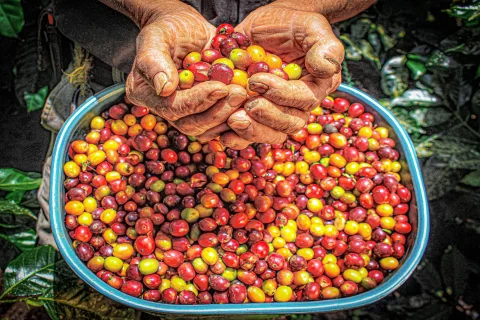
Eje Cafetero
Colombia’s Beating Coffee Heart
Nestled in the heart of the Andes, the Eje Cafetero—or Coffee Axis—is more than a region; it’s the soul of Colombian coffee culture. Made up of Caldas, Quindío, and Risaralda, this lush green triangle is where altitude, soil, tradition, and identity come together to produce some of the finest Arabica beans on Earth.
But beyond the cup, the Eje Cafetero is a living, breathing cultural landscape. This is a place where small towns cling to mountaintops, where the scent of roasting beans drifts through colonial streets, and where coffee is not just a drink—it’s a way of life.
A UNESCO World Heritage Landscape
In 2011, UNESCO designated the “Coffee Cultural Landscape of Colombia” as a World Heritage Site. The recognition wasn’t just for the quality of coffee, but for the symbiotic relationship between the people, their land, and their traditions. Here, agriculture, architecture, customs, and even festivals are shaped by the coffee cycle—from planting to harvesting to brewing.
Hiking through the region, visitors pass through terraced plantations, bamboo fences, guadua bridges, and colorful towns where balconies overflow with orchids and ferns. Cafés are community hubs, where locals share stories and travelers are welcomed like family.
A Short History of the Bean
Coffee arrived in Colombia in the 18th century, introduced by Jesuit missionaries. But it wasn’t until the late 19th and early 20th centuries that the Eje Cafetero became the epicenter of Colombia’s coffee boom. Smallholders—many of them mestizo peasants and migrant families—carved out steep plots on the Andean slopes and built the foundations of the region’s prosperity.
The rugged geography made mechanization nearly impossible, so hand-picked harvesting became the norm—a practice that continues today and contributes to the quality that sets Colombian coffee apart.
By the mid-20th century, coffee had become Colombia’s leading export and cultural ambassador, thanks in part to a now-famous fictional character.
Juan Valdez: The Icon of Colombian Coffee
In 1959, the National Federation of Coffee Growers of Colombia (FNC) created Juan Valdez, a fictional farmer with a mule named Conchita. Designed to personalize Colombian coffee in international markets, Juan Valdez became a global symbol of quality, sustainability, and authenticity.
What many don’t realize is that the real-life inspiration for Juan Valdez came straight from the Eje Cafetero. He embodied the region’s coffee growers—humble, hardworking, deeply connected to their land, and proud of their product.
Even today, visitors to the FNC’s Parque Nacional del Café near Montenegro, Quindío, can experience this story firsthand through educational tours, themed rides, and immersive coffee shows.
Caldas: Between Volcanoes and Valleys
Home to Manizales, one of the highest cities in Colombia, Caldas offers breathtaking views, volcanic soils, and innovative academic energy. With its blend of tradition and modernity, the department is dotted with coffee towns like Chinchiná, Villamaría, and Neira, where coffee is both a livelihood and a local pride.
Manizales itself is a cultural hub, hosting annual events like the Feria de Manizales with bullfights, music festivals, and processions. The Nevado del Ruiz, a snowcapped volcano, looms in the background, feeding the region’s rich soil with minerals.
Caldas also stands out for its research and development centers focused on sustainable coffee practices, many of them tied to universities in the area.
Quindío: Colombia’s Coffee Eden
Quindío may be the smallest of the three departments, but it holds the greatest density of coffee tourism experiences. Its capital, Armenia, serves as a gateway to the fertile valleys and coffee trails that wind through towns like Salento, Filandia, and Pijao.
Salento, with its rainbow-colored facades and iconic wax palms in the Valle de Cocora, is one of the most photographed places in Colombia. It’s also a launch point for scenic hikes, coffee plantation tours, and trout lunches by the river.
Beyond the postcard beauty, Quindío is a land of passionate storytelling. Here, farmers open their homes to travelers, sharing generations-old knowledge passed down with each harvest. The Recuca Coffee Experience, Parque del Café, and Coffee National Museum are just a few of the immersive attractions that make the department a coffee-lover’s paradise.
Risaralda: Where Coffee Meets Biodiversity
To the west lies Risaralda, anchored by its capital Pereira—a bustling yet manageable city known for its hot springs, shopping, and strong cafecito culture. Surrounding Pereira, the departments’ rural areas offer a quieter, greener face of the Eje Cafetero.
Towns like Santa Rosa de Cabal (famous for its waterfalls and chorizo), Marsella, and Belén de Umbría are rising stars in coffee innovation and eco-tourism. Risaralda’s terrain is more rugged and forested, leading to extraordinary biodiversity. It’s not uncommon to spot toucans, monkeys, or orchids in full bloom during a coffee tour.
Risaralda is also deeply involved in community-based tourism. Women-led cooperatives, indigenous coffee growers, and local youth have created cultural circuits that go beyond just beans—they showcase rituals, music, and environmental stewardship.
A Lasting Impression
Visiting the Eje Cafetero isn’t about checking off tourist boxes—it’s about connecting. Whether you’re sipping a pour-over on a bamboo deck, learning how to pick ripe cherries under the sun, or dancing salsa in a town square, you’ll feel the heartbeat of Colombia.
This region isn’t just where Colombian coffee is grown—it’s where it lives. And once you’ve been there, it lives in you, too.