Boyaca – Land of Actitude, Heritage, and Hidden Coffee Farms
Nestled high in Colombia’s Eastern Andes, Boyacá is a department of raw natural beauty, historical depth, and quiet coffee excellence. Though not as widely known for coffee as its neighboring regions, Boyacá is gaining acclaim in the specialty coffee world thanks to its high altitudes (1,700–2,200 meters), rich volcanic soils, and cool temperatures that create the perfect environment for beans with delicate acidity and complex floral-fruity profiles.
More than just a destination for coffee lovers, Boyacá is a magical mix of colonial towns, mountain lakes, thermal springs, and cultural landmarks. This is where Colombia’s independence was forged—where Simon Bolívar’s troops marched and where rural traditions still define everyday life.
Geography, Climate, and Coffee Potential
Boyacá stretches from the Magdalena Valley in the west to the towering Eastern Cordillera in the east. Its climate varies from cool alpine zones (12°C–18°C or 54°F–64°F) to mild temperate valleys. The department boasts dozens of microclimates, especially ideal for Arabica varieties like Typica, Bourbon, and Gesha. The slow ripening process at high altitudes enhances the sugars in the cherries, creating exquisite flavor profiles.
Because farms here tend to be small and family-run, the region produces boutique micro-lots rather than large-scale production. Coffees from Boyacá often feature floral aromas, red berry or citrus notes, and a clean finish.
Charming Towns to Explore Nearby
While visiting farms in Boyacá, travelers should consider extending their stay to explore several nearby towns and natural wonders:
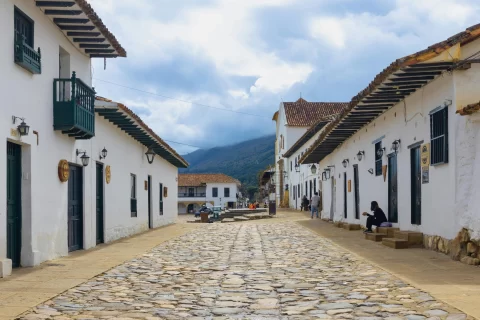
- Villa de Leyva: A stunning colonial town with one of the largest cobblestone plazas in Latin America. Known for fossil museums, artisan workshops, whitewashed buildings, and romantic charm. Ideal for weekend strolls, boutique hotels, and starry nights.
- Paipa: Famous for thermal baths and queso Paipa, this lakeside town offers wellness retreats, kayaking, and the Festival del Lago held at Lake Sochagota.
- Sogamoso: Once sacred to the Muisca people, this “City of the Sun” is home to the Archaeological Museum and the Temple of the Sun. Hosts folklore and music festivals, and is a base for Andean trekking.
- Duitama: A blend of modernity and tradition, featuring Pueblito Boyacense, a replica village that showcases the architecture and culture of Boyacá’s key towns.
- Ráquira: Known as Colombia’s pottery capital. Brightly colored buildings, artisan markets, and handwoven ruanas make this town a favorite for culture and shopping.
- Tunja: The capital city, home to universities, colonial churches, and independence landmarks. Puente de Boyacá—just outside Tunja—is where Colombia’s liberation from Spain was sealed.
Gastronomy and Cultural Richness
Boyacá’s cuisine reflects its altitude and rural heritage. Expect warm, comforting dishes like:
- Cuchuco de trigo: A thick wheat and potato soup with pork ribs
- Arepas boyacenses: Cheese-filled corn cakes
- Longaniza: Spicy sausage, often grilled with arepas
- Puchero: A hearty stew with meats, plantain, cassava, and cabbage
- Chicha & Masato: Fermented drinks made from corn or rice
- Queso Paipa: A semi-hard cheese aged in cellars, perfect with guava
The department also celebrates Festival de la Ruana y el Pañolón in Paipa, Festival del Sol y del Acero in Sogamoso, and the Festival de Cometas (kite festival) in Villa de Leyva.
How to Get There
Most visitors arrive through Bogotá (El Dorado International Airport), followed by a scenic 2–4 hour drive north on well-paved highways. Buses run regularly to major towns. For farm visits, it’s recommended to rent a car or hire a local guide.